
Xend in one paragraph.
Xend began with a problem every Nigerian saver knows. Money kept in local currency loses value while it sits still. The answer was to take the savings structures Africans already trust, credit unions and cooperatives, and give them access to global money markets onchain.
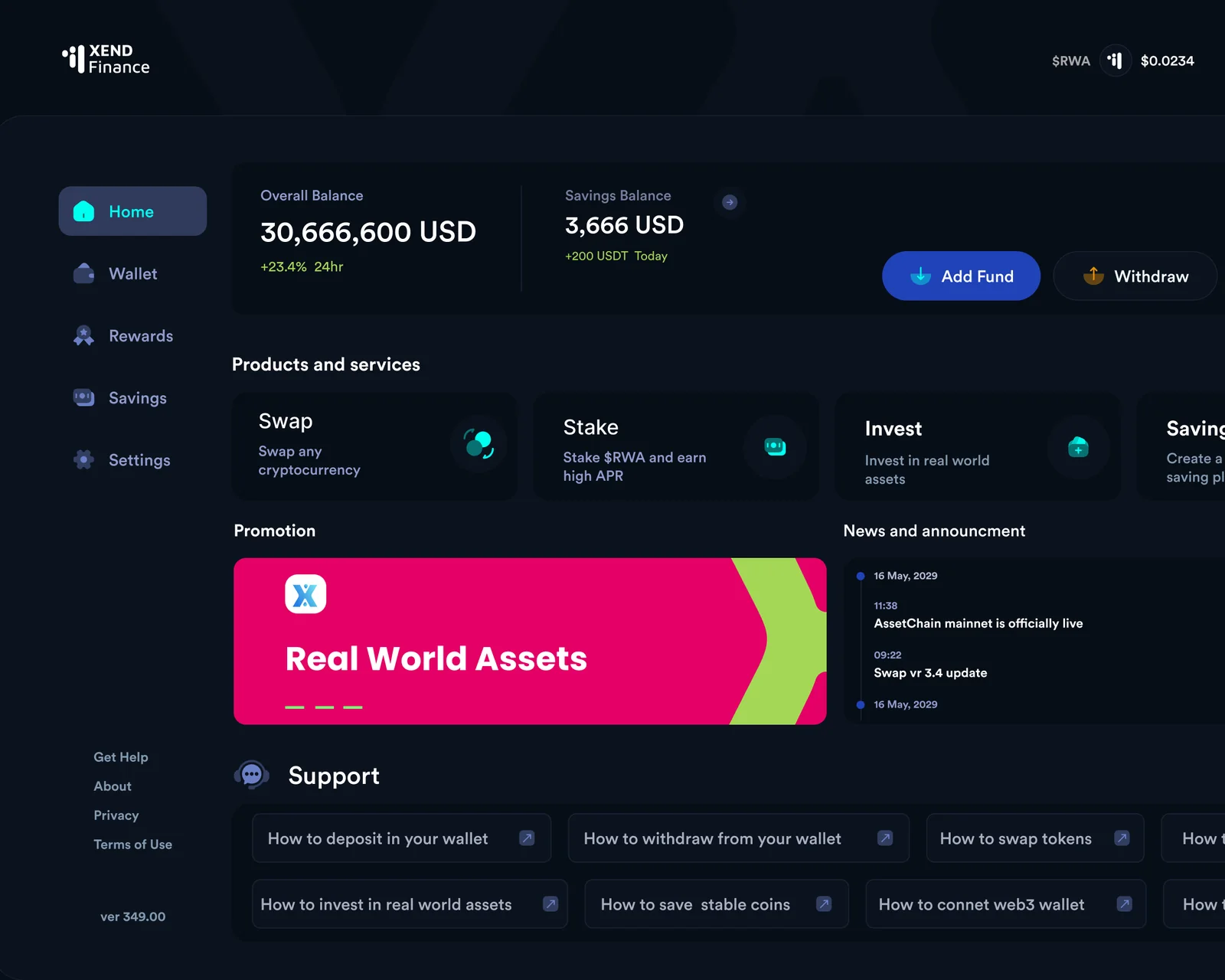
Phase one: DeFi for cooperatives
Xend launched the first decentralised finance platform built for credit unions and cooperatives, letting members save and invest in stable currencies and earn yield without a middleman. It was the first DeFi protocol to launch out of Africa.
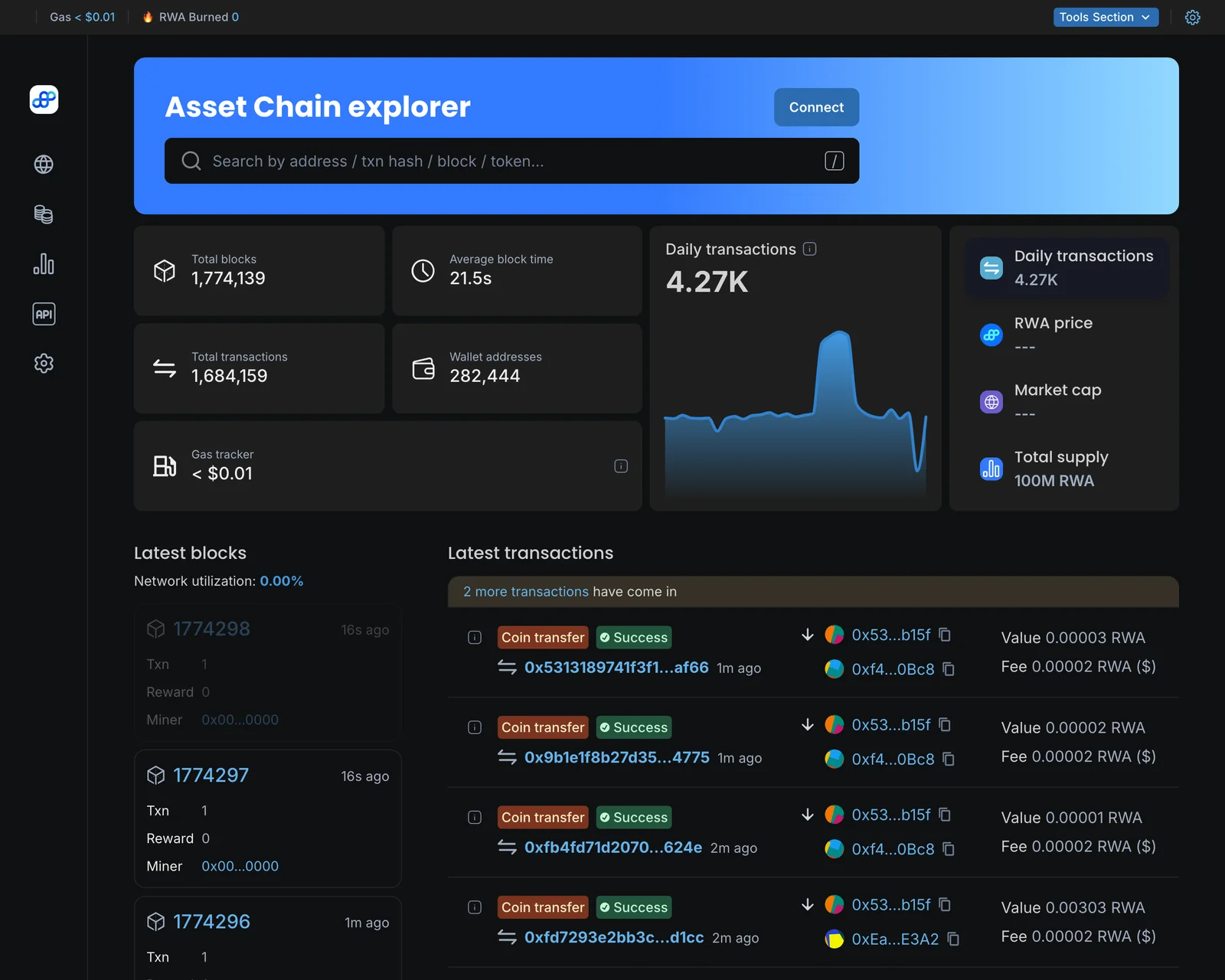
Phase two: Asset Chain
An EVM-compatible Layer 1 built to carry the volume and settlement the products needed, with native staking, swaps and a bridge.
Phase three: real-world assets
A global onchain asset environment for the legal tokenisation of tangible and intangible assets: real estate, agricultural land use rights and supply chain.

What it actually does.
Savings & yield
- Savings held in stable currencies
- Cooperative and credit union accounts
- Yield aggregated across lending protocols
Asset Chain
- EVM-compatible Layer 1
- Native staking
- Swaps and bridge
Real-world assets
- Real estate tokenisation
- Agricultural land use tokens
- Supply chain records onchain
Lending
- Peer-to-peer lending
- Asset-backed collateral
- Transparent terms
Mobile
- Consumer app
- Onboarding built for first-time users
- Local payment rails
Backing
- Backed by Binance and Google
- $1.5M strategic round
- Built in Africa, available worldwide
Four more industries.
Every company here is owned and operated by Ugarsoft.
Working with Xend?
Partnerships, distribution, infrastructure or investment. Write to the group directly and we will point you to the right desk.